木陰と舗装の温度を比べてみる
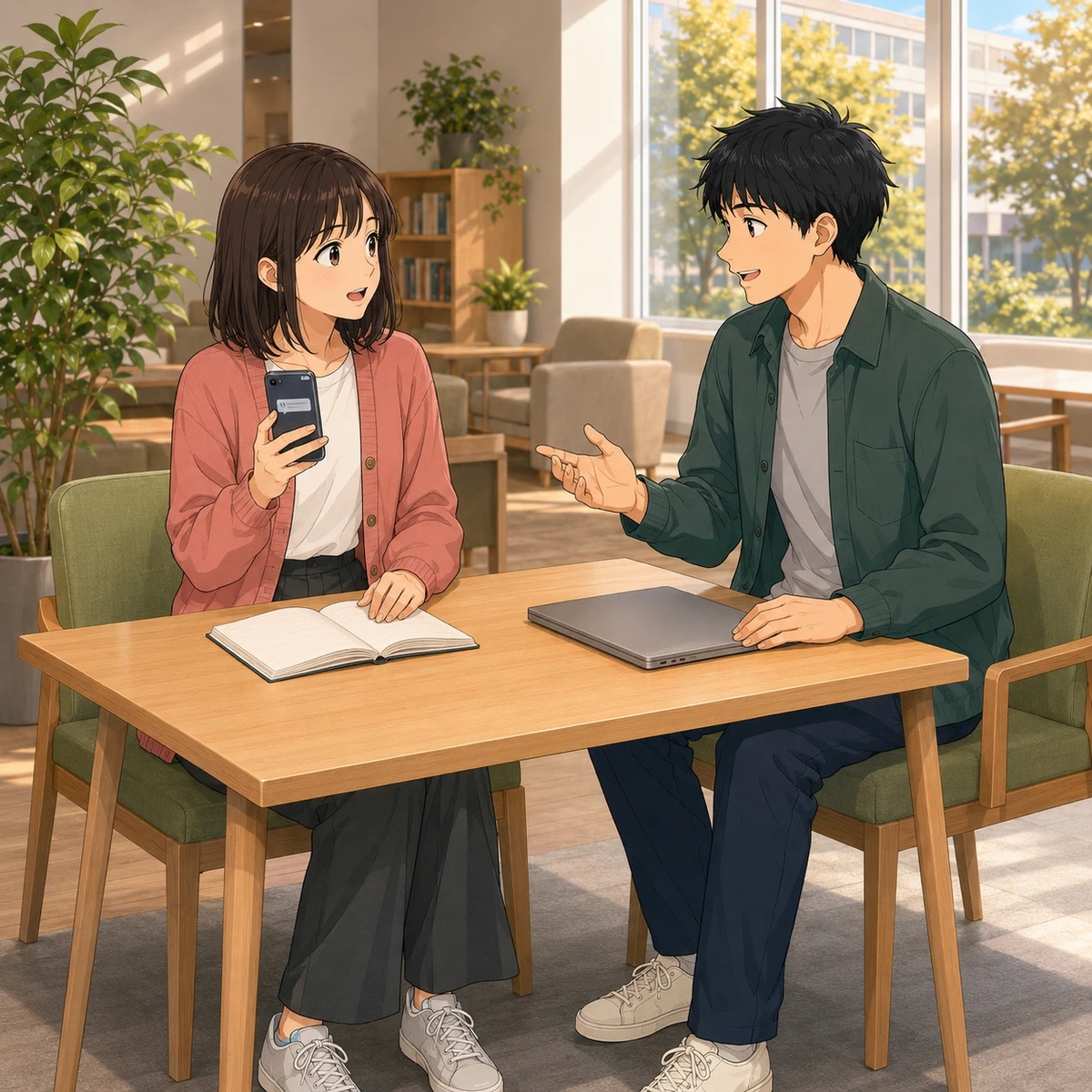
大学生のAoiとKenjiが、環境サークルで週末の気温調査について相談しています。まずは音声に集中して挑戦します。英文・日本語訳・解説は、答え合わせ後に確認できます。
Eiken Style
対話を聞いて質問に答える
対話と質問を聞き、最も適切な答えを1〜4から選びましょう。
対話と質問は最初は表示しません。選択肢の英文を確認し、音声を聞いて答えます。日本語訳は答え合わせ後に表示されます。
英文を見る答え合わせ前は開かなくてもOK
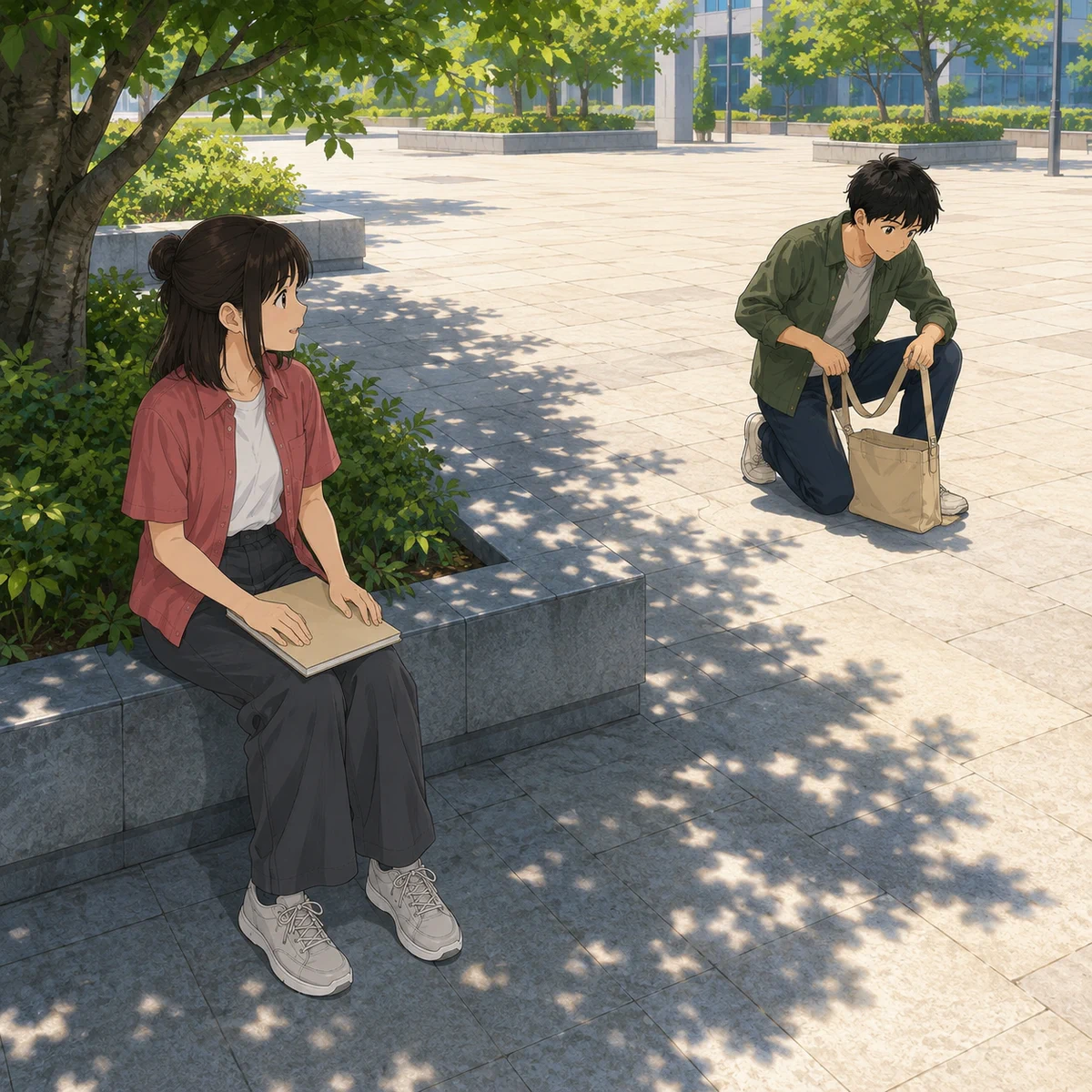
Our environmental club has to choose two places for Saturday's heat survey.
環境サークルで、土曜日の暑さ調査に使う2か所を選ばないといけないの。
The city plaza has an open paved area and a path under several large trees.
市の広場なら、開けた舗装面と、大きな木が何本か並ぶ小道があるよ。
Perfect. We can compare them at the same time, but we only have one thermometer.
ぴったりね。同じ時刻に比べられるけど、温度計が1本しかないわ。
I'll borrow another one from the science lab before it closes today.
今日、科学実験室が閉まる前に、もう1本借りてくるよ。
What will Kenji probably do next?
Kenjiは次に何をするでしょうか。
Ask the club to cancel the survey.
サークルに調査の中止を頼む。
Plant new trees in the city plaza.
市の広場に新しい木を植える。
Borrow a second thermometer from the science lab.
科学実験室から2本目の温度計を借りる。
Move the survey from Saturday to Sunday.
調査を土曜日から日曜日へ変更する。
After Story
木陰と舗装の温度を比べてみるのその後
本編の「木陰と舗装の温度を比べてみる」から少し先へ進んだ会話です。先に音で流れをつかみ、3問の内容確認後に英文と日本語訳を確かめます。
Kenjiが測定を繰り返したいのはなぜですか。
After Storyによると、木はどのように周囲を冷やしますか。
Aoiが最後に示した、調査結果への適切な態度はどれですか。
After Storyを読む答え合わせ後に、英文と日本語訳を1文ずつ確認できます。
We took our first readings at noon. The path under the trees was cooler than the open pavement.
正午に最初の測定をしたね。木の下の小道は、開けた舗装面より涼しかった。
It was, but one reading is only a snapshot. We should repeat the measurements.
そうだった。でも、1回の測定は一時点の情報にすぎないよ。測定を繰り返したほうがいい。
At the same time tomorrow?
明日も同じ時刻に?
Yes, and we should record the cloud cover and wind. Weather conditions can affect what we observe.
うん。それに雲の量と風も記録しよう。天候の条件は観察結果に影響することがあるから。
I thought shade was the whole explanation.
木陰だけで全部説明できると思っていた。
Shade is important, but trees also cool the air through evapotranspiration.
木陰は大切だけど、木は蒸発散によって空気も冷やすんだ。
That's when water moves through the roots and leaves as vapor, right?
根から吸った水が葉を通って、水蒸気として出ていくことだよね?
Exactly. Evaporating that water uses heat from the surrounding air.
そのとおり。水が蒸発するとき、周囲の空気の熱が使われるんだ。
Then cooling must depend on the tree and the conditions. Our result describes this plaza, not every street in every city.
それなら、どれくらい冷えるかは木や周りの条件によって変わりそうね。私たちの結果はこの広場について説明できても、あらゆる都市のすべての通りに当てはまるわけではない。
Exactly. Tree traits, water availability, and the surrounding space all matter, so a careful local conclusion gives us a better next question.
そのとおり。木の特徴、水の利用しやすさ、周囲の空間がどれも関係する。だから慎重な地域の結論は、次に調べるべきよりよい問いを与えてくれるんだ。
Chunks
重要チャンク
only a snapshot
一時点の情報にすぎない
snapshotは比喩的に「ある瞬間だけを切り取った情報」を表せます。例: This survey is only a snapshot of public opinion.(この調査は世論の一時点を切り取ったものにすぎません。)
at the same time
同じ時刻に・同時に
at the same timeで「同じ時刻に・同時に」です。比較では条件を揃える表現としても使えます。例: We recorded both temperatures at the same time.(私たちは両方の温度を同じ時刻に記録しました。)
affect what we observe
観察する内容に影響を与える
affect + what節で「何を〜するか・〜する内容に影響する」です。例: The light can affect what we see in the photo.(光は写真で見えるものに影響することがあります。)
depend on the conditions
条件によって決まる・変わる
depend on + 名詞で「〜によって決まる・〜次第である」です。例: The best route depends on the weather.(最適な道順は天気によって変わります。)
not every ... in every ...
あらゆる〜のすべてに当てはまるわけではない
not everyは「すべてが〜というわけではない」という部分否定です。例: Not every method works in every situation.(すべての方法があらゆる状況で機能するわけではありません。)
More Stories
次に聞くストーリー
同じ級・場面・テーマに近い話から選んでいます。