昔の曲で、忘れていた場面を思い出す
音楽と個人的な記憶を調べた研究について、短い英文を聞きます。まずは音声に集中して挑戦します。英文・日本語訳・解説は、答え合わせ後に確認できます。
Eiken Style
英文を聞いて質問に答える
英文と質問を聞き、最も適切な答えを1〜4から選びましょう。
英文と質問は最初は表示しません。選択肢の英文を確認し、音声を聞いて答えます。日本語訳は答え合わせ後に表示されます。
英文を見る答え合わせ前は開かなくてもOK
A group of researchers studied how music can bring back personal memories.
研究者のグループが、音楽によって個人的な記憶がどのように思い出されるかを調べました。
Volunteers listened to short clips of popular songs and looked at pictures of famous people.
参加者は人気曲の短い音源を聞き、有名人の写真を見ました。
The memories brought back by music included more details about places, actions, and senses than the memories brought back by the pictures.
音楽によって思い出された記憶には、写真によって思い出された記憶よりも、場所・行動・感覚についての細部が多く含まれていました。
This difference remained whether a memory came to mind on its own or was recalled intentionally.
この違いは、記憶が自然に浮かんだ場合でも、意図的に思い出した場合でも見られました。
The study suggests that music can be a powerful cue for detailed autobiographical memories.
この研究は、音楽が細部を伴う自伝的記憶の強いきっかけになり得ることを示しています。
What did the researchers find about memories brought back by music?
研究者たちは、音楽によって思い出された記憶について何を発見しましたか。
They contained more details than memories brought back by pictures.
写真によって思い出された記憶より、多くの細部を含んでいた。
They were less detailed than memories brought back by pictures.
写真によって思い出された記憶より、細部が少なかった。
They were detailed only when people tried to remember them.
人が意図的に思い出そうとした場合だけ、細部を含んでいた。
They rarely came to mind after people heard popular songs.
人気曲を聞いたあとには、ほとんど思い浮かばなかった。
After Story
昔の曲で、忘れていた場面を思い出すのその後
本編の「昔の曲で、忘れていた場面を思い出す」から少し先へ進んだ会話です。先に音で流れをつかみ、3問の内容確認後に英文と日本語訳を確かめます。
Mioの記憶に、一緒に戻ってきたものは何ですか。
Sotaの「中心の出来事以外のことまで思い出した」という言葉は、何を指していますか。
Sotaによると、同じ曲を聞いた人が異なる記憶を思い出す可能性があるのはなぜですか。
After Storyを読む答え合わせ後に、英文と日本語訳を1文ずつ確認できます。
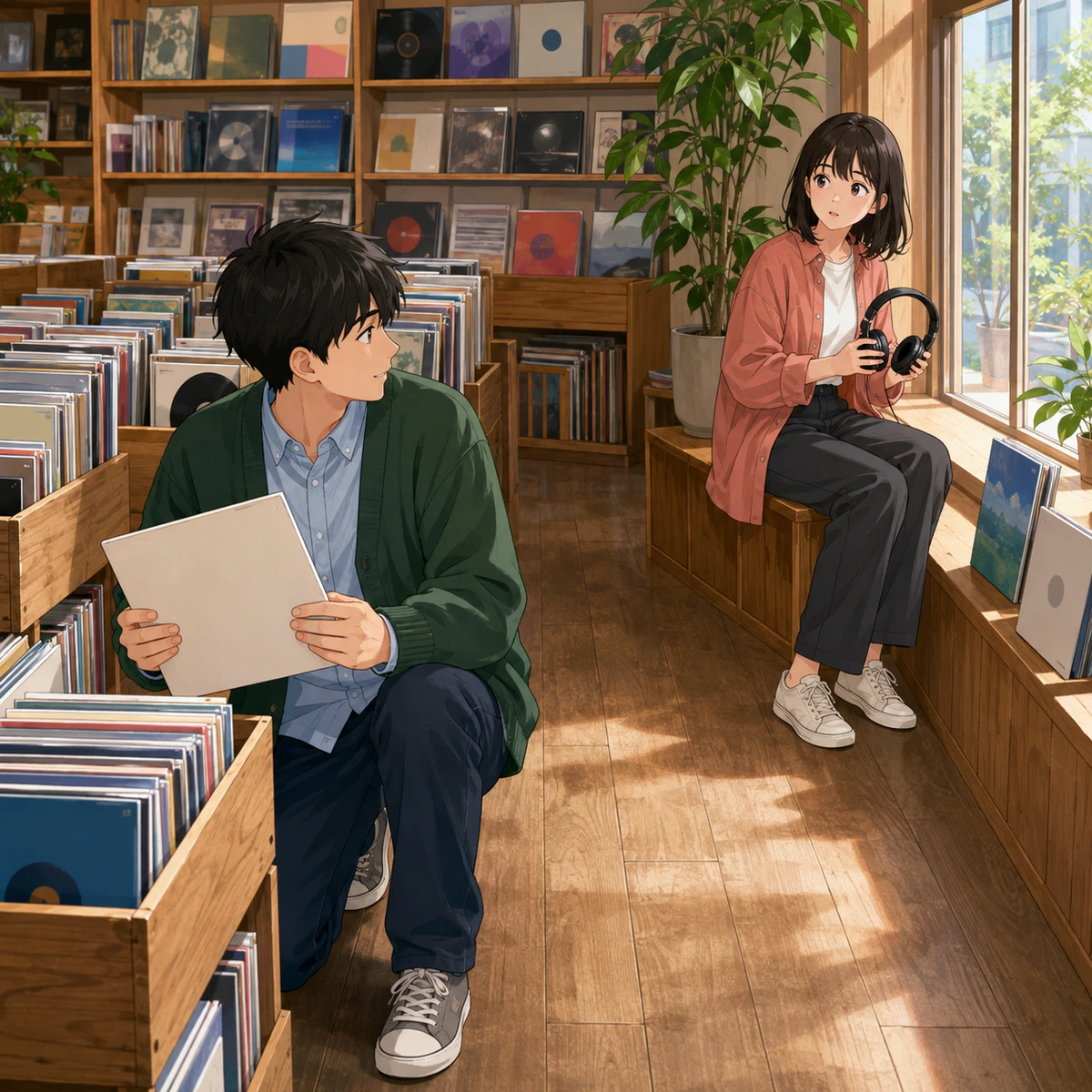
That song made me remember the bus ride home after our middle school festival.
あの曲を聞いたら、中学の文化祭のあとにバスで帰ったときのことを思い出した。
What came back first, the song itself or the scene?
最初に戻ってきたのは、曲そのもの? それとも場面?
The rainy window, my wet shoes, and the orange light inside the bus came back together.
雨の窓、ぬれた靴、それからバスの中のオレンジ色の明かりが、一緒に戻ってきた。
You remembered more than the main event.
中心の出来事以外のことまで思い出したんだね。
Yes. I had not thought about that ride in years.
うん。あの帰り道のことは、もう何年も考えたことがなかった。
A familiar song can sometimes become a cue for a personal memory.
よく知っている曲が、個人的な記憶のきっかけになることがあるんだ。
Does the same song bring back the same kind of memory for everyone?
同じ曲なら、誰にでも同じような記憶が戻ってくるの?
Not necessarily. The memory depends on what each listener connected with the song.
必ずしもそうじゃないよ。その記憶は、聞いた人がその曲を何と結びつけていたかによるんだ。
Then I may be building this summer's memories without noticing it.
じゃあ今も、気づかないうちに今年の夏の記憶を作っているのかもしれないね。
Maybe. One ordinary song could surprise us years from now.
かもね。何でもない一曲が、何年か先の僕たちを驚かせるかもしれない。
Chunks
重要チャンク
come to mind
ふと思い浮かぶ
come to mind は、努力して探すというより「自然に頭に浮かぶ」ことを表します。例: Her name came to mind when I heard the song.(その曲を聞いたとき、彼女の名前がふと思い浮かびました。)
bring back a memory
記憶を呼び戻す
bring back + 記憶・出来事で「〜を思い出させる」です。主語には音、におい、場所なども置けます。例: This smell brings back memories of my grandmother's kitchen.(このにおいで祖母の台所を思い出します。)
have not thought about ... in years
〜について何年も考えていない
現在完了の否定と in years を組み合わせて、「もう何年もの間〜していない」と表せます。例: I have not thought about that trip in years.(あの旅行のことは何年も考えていませんでした。)
depend on what ...
何を〜するかによる
depend on の後ろに what を使った節を置くと、「何を〜するか次第だ」と説明できます。例: The result depends on what we choose.(結果は私たちが何を選ぶかによります。)
years from now
今から何年か先に
期間 + from now は「今から〜後に」です。未来の時点を会話的に示せます。例: We may laugh about this years from now.(何年か先には、このことを笑っているかもしれません。)
More Stories
次に聞くストーリー
同じ級・場面・テーマに近い話から選んでいます。