消すための削屑が、文字を残す
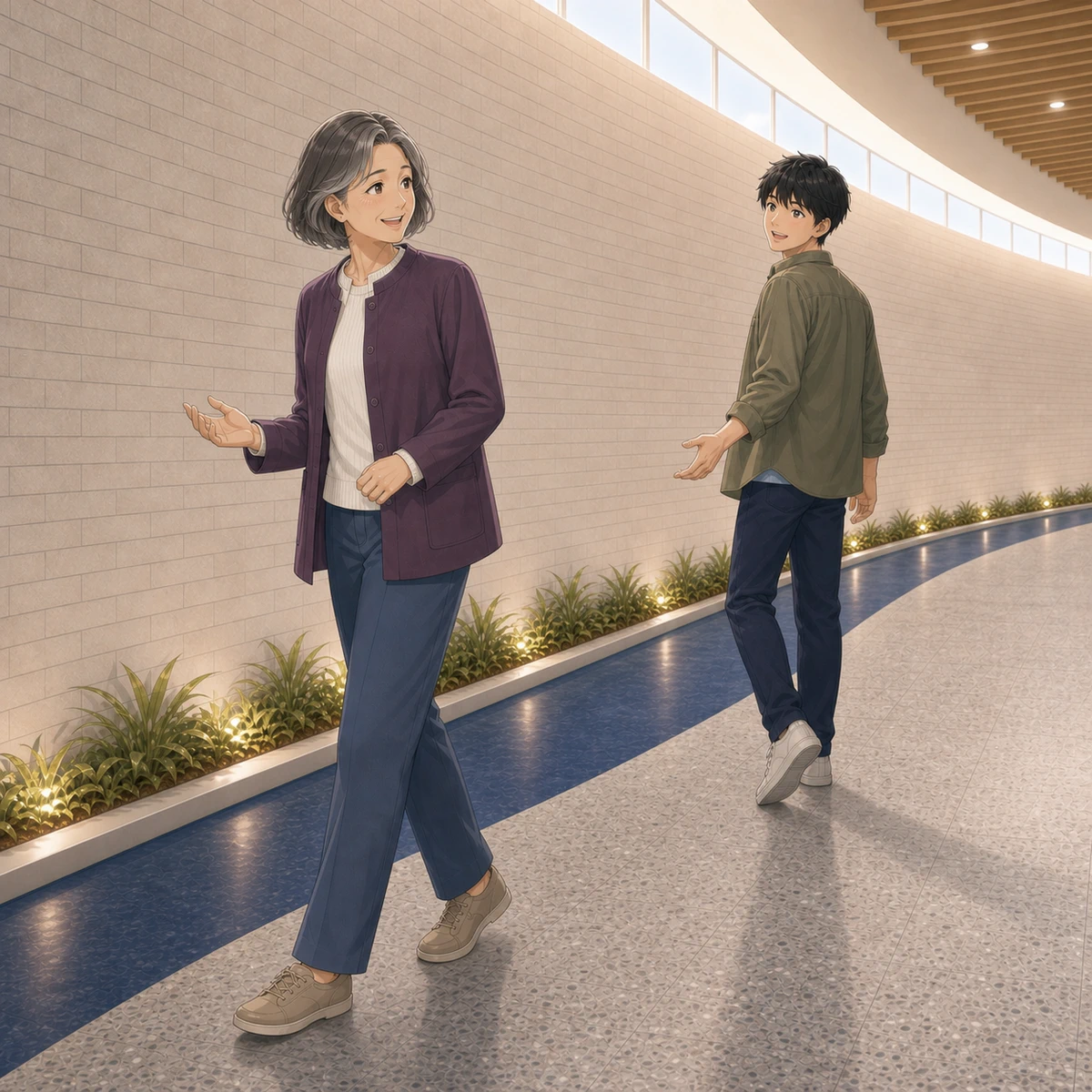
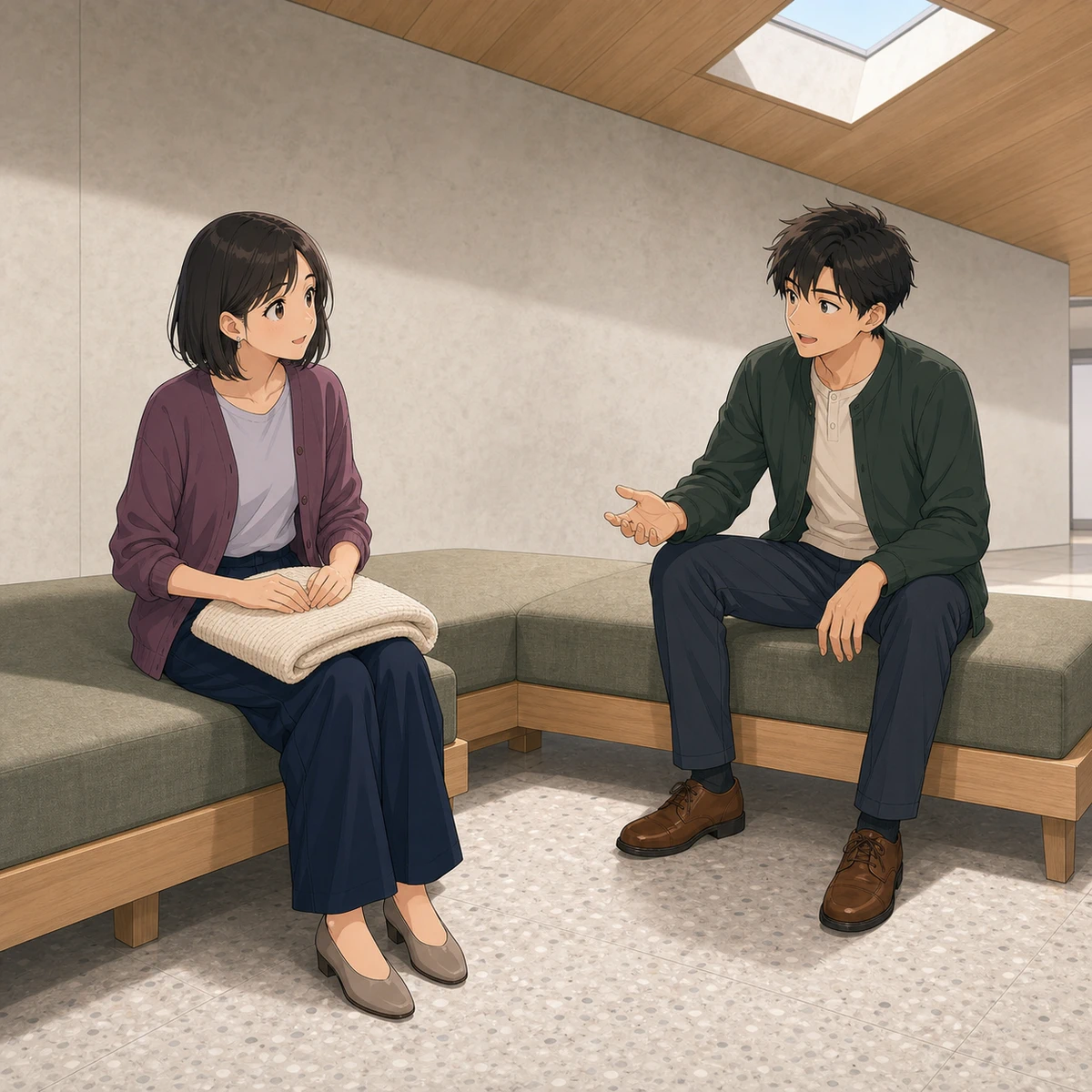
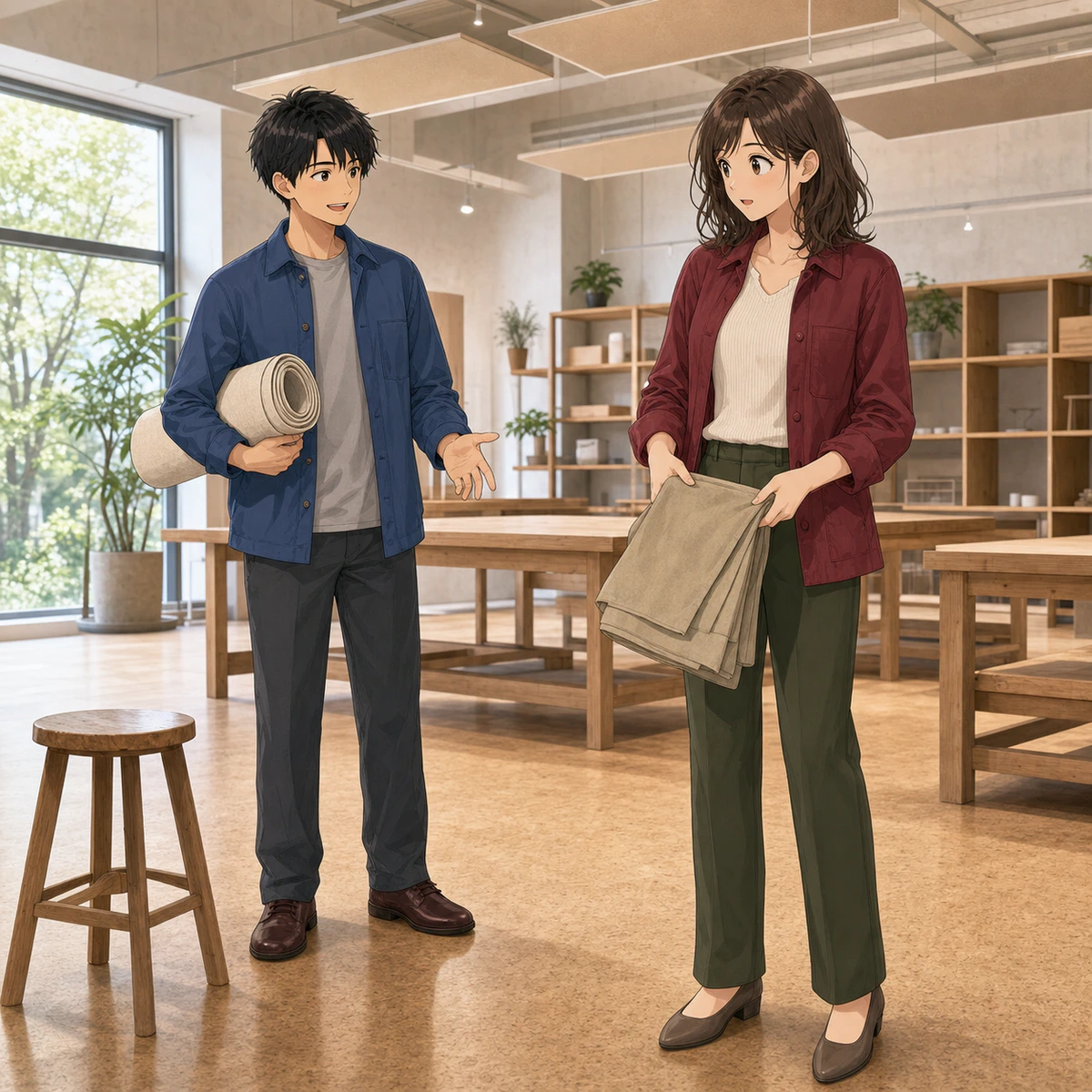
地域の考古学習別館で、成人の友人NaoとSotaが、木簡の削屑と再解読について説明音声を聞いています。まずは音声に集中して挑戦します。英文・日本語訳・解説は、答え合わせ後に確認できます。

Eiken Style
英文を聞いて質問に答える
英文と2つのQuestionは1回だけ流れます。各Questionのあとに10秒の解答時間があります。英文とQuestionの文字は答え合わせ後に確認できます。
英文と質問を聞き、最も適切な答えを1〜4から選びましょう。
英文と質問は最初は表示しません。選択肢の英文を確認し、音声を聞いて答えます。日本語訳は答え合わせ後に表示されます。
英文を見る答え合わせ前は開かなくてもOK
In ancient Japan, many records and labels were written in ink on narrow wooden tablets known as mokkan.
古代日本では、多くの記録や荷札が、木簡と呼ばれる細長い木の札に墨で書かれていました。
Writers erased messages by shaving away the written surface with a small knife, then reused the exposed wood.
書き手は小刀で文字のある表面を削り取って文を消し、現れた木の面を再利用しました。
The removed slivers may look like waste, but traces of ink remain on them, so archaeologists preserve even extremely thin shavings.
取り除かれた薄片はごみのように見えますが、墨の痕跡が残るため、考古学者は非常に薄い削屑まで保存します。
Because each shaving may contain only part of a sentence or even half of one character, interpreting it is difficult.
一つの削屑には文章の一部や、一文字の半分しか残らないこともあるため、解読は困難です。
Researchers study the surviving ink marks together with expressions common in ancient documents and other tablets from the same group.
研究者は残った墨の痕跡を、古代文書でよく使われる表現や、同じ木簡群の別の木簡と合わせて検討します。
They also search for fragments that physically join, comparing wood grain, texture, ink darkness, brushwork, and broken edges.
さらに、木目、質感、墨の濃淡、筆づかい、割れた縁を比べ、実際につながる断片を探します。
In one documented case, marks first read as three separate characters became recognizable as one character after a matching shaving was connected.
記録された一例では、当初は別々の三文字と読まれた痕跡が、合う削屑を接続すると一文字だと分かりました。
Thus, a shaving created to remove information can preserve evidence that corrects a reading many years after excavation.
このように、情報を消すために生じた削屑が、発掘から何年も後に読みを訂正する証拠を残すことがあります。
Why do archaeologists preserve wooden tablet shavings?
なぜ考古学者は木簡の削屑を保存しますか。
Because they make wooden tablets easier to display.
木の札を展示しやすくするから。
Because they reveal which knives writers preferred.
書き手が好んだ小刀を示すから。
Because they can retain ink from erased writing.
消された文字の墨を残すことがあるから。
Because they protect complete tablets from further damage.
完全な木簡をそれ以上の損傷から守るから。
英文と質問を聞き、最も適切な答えを1〜4から選びましょう。
英文と質問は最初は表示しません。選択肢の英文を確認し、音声を聞いて答えます。日本語訳は答え合わせ後に表示されます。
英文を見る答え合わせ前は開かなくてもOK
In ancient Japan, many records and labels were written in ink on narrow wooden tablets known as mokkan.
古代日本では、多くの記録や荷札が、木簡と呼ばれる細長い木の札に墨で書かれていました。
Writers erased messages by shaving away the written surface with a small knife, then reused the exposed wood.
書き手は小刀で文字のある表面を削り取って文を消し、現れた木の面を再利用しました。
The removed slivers may look like waste, but traces of ink remain on them, so archaeologists preserve even extremely thin shavings.
取り除かれた薄片はごみのように見えますが、墨の痕跡が残るため、考古学者は非常に薄い削屑まで保存します。
Because each shaving may contain only part of a sentence or even half of one character, interpreting it is difficult.
一つの削屑には文章の一部や、一文字の半分しか残らないこともあるため、解読は困難です。
Researchers study the surviving ink marks together with expressions common in ancient documents and other tablets from the same group.
研究者は残った墨の痕跡を、古代文書でよく使われる表現や、同じ木簡群の別の木簡と合わせて検討します。
They also search for fragments that physically join, comparing wood grain, texture, ink darkness, brushwork, and broken edges.
さらに、木目、質感、墨の濃淡、筆づかい、割れた縁を比べ、実際につながる断片を探します。
In one documented case, marks first read as three separate characters became recognizable as one character after a matching shaving was connected.
記録された一例では、当初は別々の三文字と読まれた痕跡が、合う削屑を接続すると一文字だと分かりました。
Thus, a shaving created to remove information can preserve evidence that corrects a reading many years after excavation.
このように、情報を消すために生じた削屑が、発掘から何年も後に読みを訂正する証拠を残すことがあります。
What happened when two shavings were connected?
二つの削屑を接続すると、何が起きましたか。
Three apparent characters became one recognizable character.
三文字に見えたものが、判読できる一文字になった。
All traces of ink disappeared from both pieces.
両方の断片から墨の痕跡がすべて消えた。
The wood grain proved the fragments were modern.
木目から断片が現代のものだと分かった。
A complete sentence appeared on each separate piece.
それぞれの断片に完全な文が現れた。
After Story
消すための削屑が、文字を残すのその後
本編の「消すための削屑が、文字を残す」から少し先へ進んだ会話です。先に音で流れをつかみ、3問の内容確認後に英文と日本語訳を確かめます。
書き手は木簡を再利用する前に何をしましたか。
研究者は断片の接続を調べるため、何を比べましたか。
二つの断片が接続した後、読みはどう変わりましたか。
After Storyを読む答え合わせ後に、英文と日本語訳を1文ずつ確認できます。
I used to picture a written artifact as a complete tablet.
文字資料といえば、完全な木簡を思い浮かべていたよ。
The shavings changed that. They are evidence of both writing and reuse.
削屑を知って見方が変わったね。文字と再利用の両方の証拠なんだ。
A writer shaved off the old surface, then wrote on the fresh wood.
書き手は古い表面を削り取り、新しい木の面へ書いたのね。
And the removed sliver might keep only half a character.
しかも、取り除いた薄片には文字の半分しか残らないこともある。
In the example, three marks looked like three characters before another piece was found.
あの例では、別の断片が見つかる前は三つの痕跡が三文字に見えたのね。
Once the edges joined, they formed one character instead.
縁がつながると、今度は一文字になった。
The researchers compared grain, texture, brushwork, ink darkness, and the broken shape.
研究者は木目、質感、筆づかい、墨の濃淡、割れた形を比べたのね。
They also considered phrases common in ancient records from the same group.
同じ木簡群の古代記録でよく使われる表現も検討したんだ。
So reviewing material decades later can improve an earlier reading.
だから何十年か後に資料を見直して、以前の読みを改善できるのね。
A tiny eraser crumb can preserve an ancient correction and a modern one.
小さな消しごむのかすのようなものが、古代と現代の二つの訂正を残すんだね。
Chunks
重要チャンク
be written in ...
〜で書かれている
be written in + 言語・材料で、文字や内容が何で記されているかを表します。本文例: were written in ink(墨で書かれていた)。独立例: The note was written in pencil.(そのメモは鉛筆で書かれていました。)
shave away ...
〜を削り取る
shave away + 表面・一部で、薄く削って取り除くことを表します。本文例: shaving away the written surface(文字のある表面を削り取ること)。独立例: The craftsperson shaved away the rough edge.(職人は粗い縁を削り取りました。)
look like ...
〜のように見える
look like + 名詞で、外見から受ける印象を表します。本文例: may look like waste(ごみのように見えることがある)。独立例: The cloud looks like a bird.(その雲は鳥のように見えます。)
form ... instead
代わりに〜を形作る
form + 名詞 + insteadで、予想と異なる形・結果になることを表します。本文例: they formed one character instead(代わりに一文字を形作った)。独立例: The two paths formed one route instead.(二つの道は代わりに一つの道筋を形作りました。)
be common in ...
〜でよく使われる/見られる
be common in + 分野・場所で、そこでよく使われることを表します。本文例: phrases common in ancient records(古代記録でよく使われる表現)。独立例: This pattern is common in coastal towns.(この模様は海沿いの町でよく見られます。)
More Stories
次に聞くストーリー
同じ級・場面・テーマに近い話から選んでいます。