5年ごとに数える、日本の暮らし
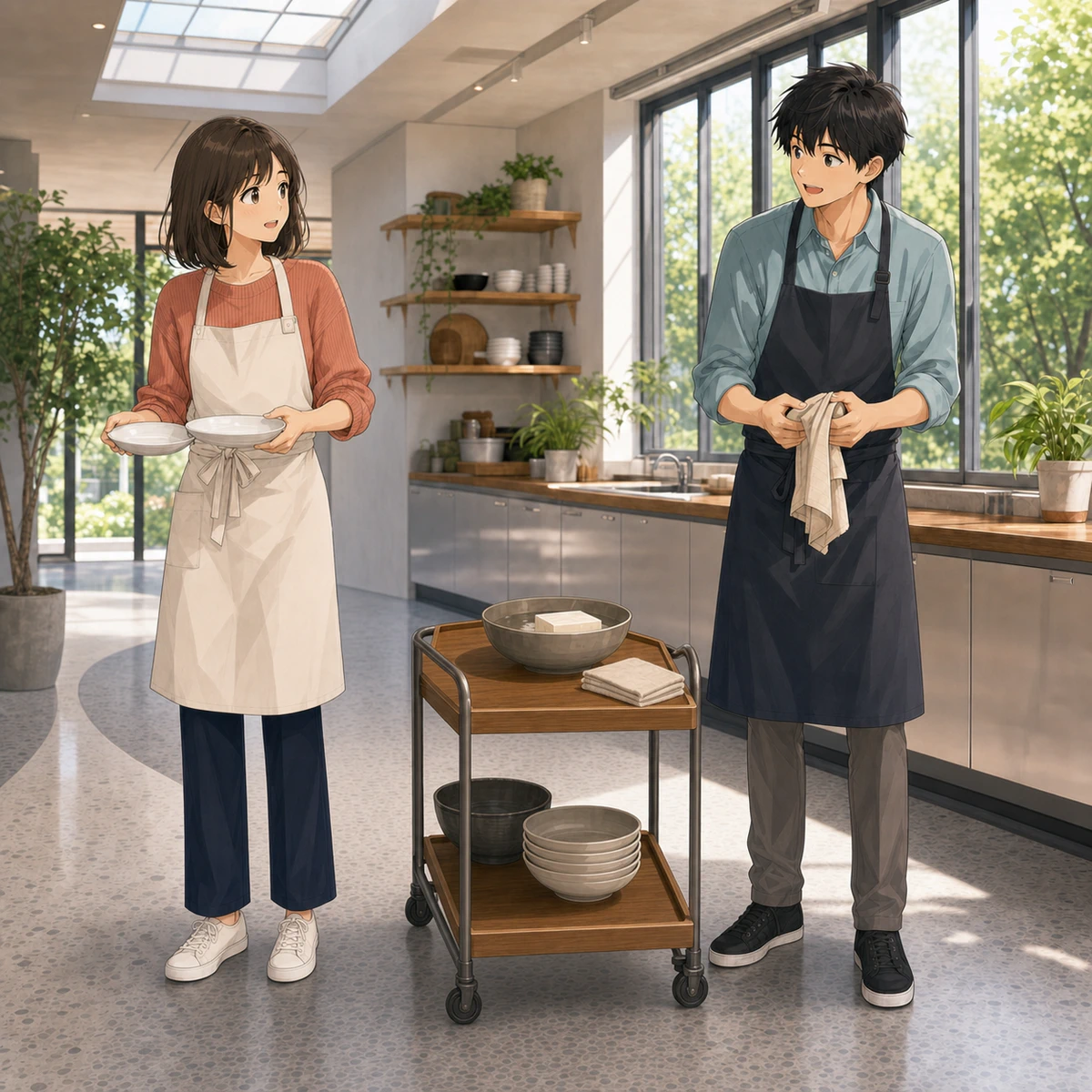
大学生のMikaとTakumiが、地域図書館の公開統計コーナーを見学しています。まずは音声に集中して挑戦します。英文・日本語訳・解説は、答え合わせ後に確認できます。

Eiken Style
英文を聞いて質問に答える
英文と質問を聞き、最も適切な答えを1〜4から選びましょう。
英文と質問は最初は表示しません。選択肢の英文を確認し、音声を聞いて答えます。日本語訳は答え合わせ後に表示されます。
英文を見る答え合わせ前は開かなくてもOK
Japan carries out a national census every five years to learn about people and households.
日本は、人々と世帯について知るため、5年ごとに国勢調査を行います。
It counts people where they usually live, rather than simply copying resident-register records.
住民登録の記録を単純に写すのではなく、人々がふだん住んでいる場所で数えます。
This creates one nationwide set of statistics collected under the same rules.
これにより、同じ基準で集められた全国規模の一組の統計が作られます。
The results can reveal how populations and households differ from place to place, including changes that smaller surveys may miss.
結果から、小規模な調査では見落とすかもしれない変化を含め、人口や世帯が地域ごとにどう異なるかが分かります。
Governments use these statistics when planning public services and disaster measures.
行政は、公共サービスや災害対策を計画するときに、これらの統計を使います。
Why is Japan's national census useful for public planning?
日本の国勢調査は、なぜ公共の計画に役立ちますか。
It replaces all resident records with one national list.
すべての住民記録を一つの全国名簿に置き換える。
It provides nationwide statistics gathered under the same rules.
同じ基準で集めた全国統計を提供する。
It predicts exactly where people will live in five years.
人々が5年後にどこに住むかを正確に予測する。
It only measures households that apply for public services.
公共サービスを申請する世帯だけを調べる。
After Story
5年ごとに数える、日本の暮らしのその後
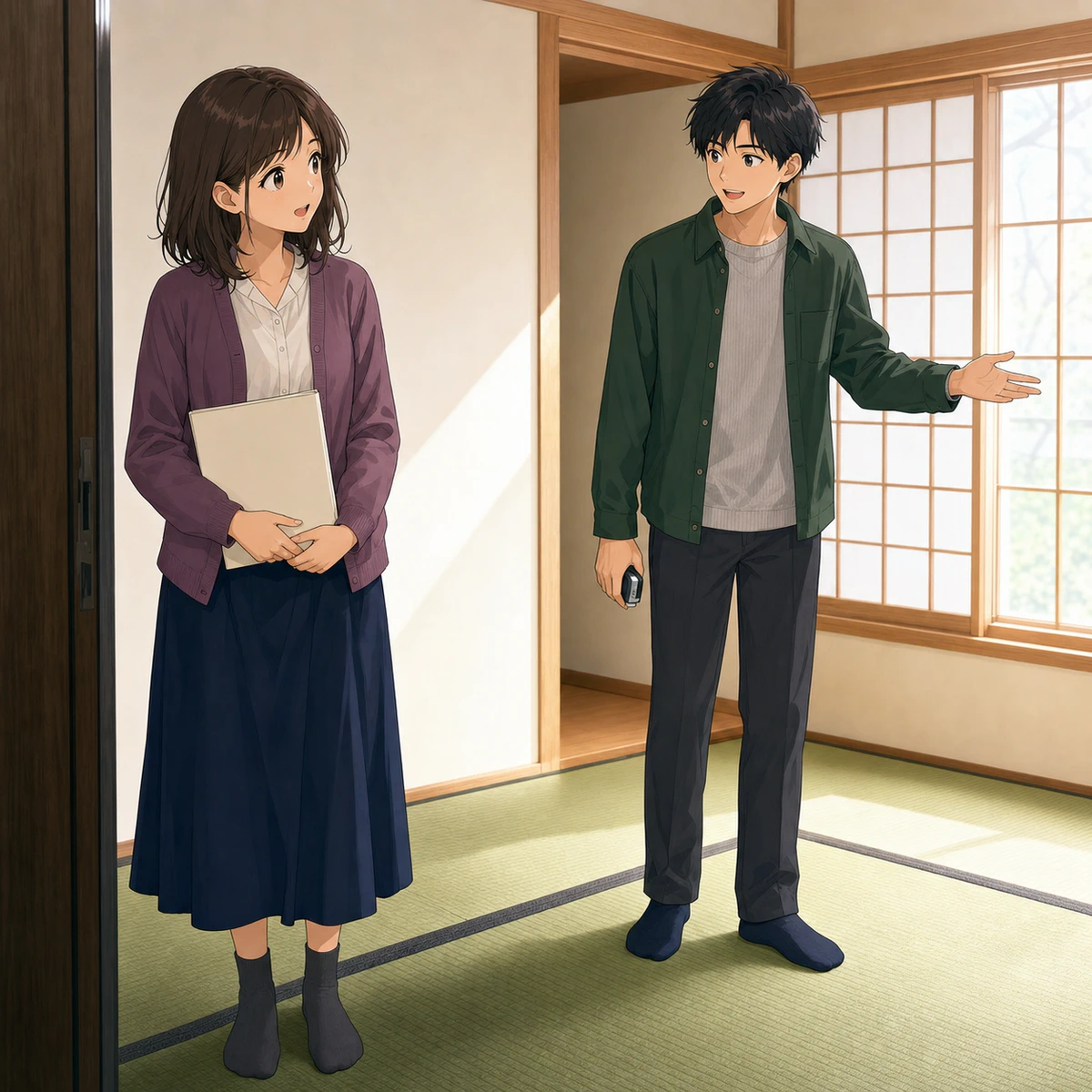
本編の「5年ごとに数える、日本の暮らし」から少し先へ進んだ会話です。先に音で流れをつかみ、3問の内容確認後に英文と日本語訳を確かめます。
Mikaによると、子どもが多いのは町のどの地域ですか。
MikaとTakumiは昼食後に何を使う予定ですか。
Takumiが調べたいことは何ですか。
After Storyを読む答え合わせ後に、英文と日本語訳を1文ずつ確認できます。
I thought the city could just count resident records.
市は住民記録を数えればいいだけだと思ってた。
Same here. I didn't realize usual residence could be different.
僕も。ふだん住んでいる場所が違うこともあるなんて気づかなかった。
The age map surprised me too. The east side has many children.
年齢の地図にも驚いた。東側には子どもが多いんだね。
The hill area has a larger older population.
丘の地域は、高齢者人口がもっと多い。
Maybe that is why the city is studying a new bus route.
だから市が新しいバス路線を検討しているのかもしれないね。
Maybe. The librarian said the data can show where services may be needed.
かもね。司書さんは、どこにサービスが必要かをデータで見られると言ってた。
I want to compare our town with five years ago.
私たちの町を5年前と比べてみたいな。
Let's use the public statistics site after lunch.
昼ごはんのあと、公開統計サイトを使ってみよう。
First, let's write down one question each.
まず、一人ひとつずつ疑問を書き出そう。
Mine is whether the number of one-person households changed.
僕は、一人暮らしの世帯数が変わったかどうかにする。
Chunks
重要チャンク
every ... years
〜年ごとに
一定の年数ごとに繰り返すことを表す短いパターンです。本文例:Japan carries out a national census every five years.(日本は5年ごとに国勢調査を行います。)独立例:We repaint the bridge every ten years.(私たちは10年ごとに橋を塗り直します。)
rather than ...
〜ではなく
二つの方法や選択肢を対比するときに使える短いパターンです。本文例:It counts people where they usually live, rather than simply copying records.(記録を単純に写すのではなく、人々がふだん住む場所で数えます。)独立例:Let's walk rather than take a taxi.(タクシーではなく歩こう。)
under the same rules
同じ基準・規則のもとで
共通の基準で行うことを表します。本文例:The statistics are collected under the same rules.(統計は同じ基準で集められます。)独立例:All teams compete under the same rules.(全チームが同じ規則のもとで競います。)
from place to place
場所によって・地域ごとに
場所ごとの違いを表す再利用しやすい短いパターンです。本文例:Households differ from place to place.(世帯の姿は地域ごとに異なります。)独立例:Train fares differ from place to place.(電車賃は場所によって異なります。)
use ... when ...
〜するときに…を使う
情報や道具を使う場面を説明します。本文例:Governments use these statistics when planning public services.(行政は公共サービスを計画するときに、これらの統計を使います。)独立例:Use this key when the main door is locked.(正面玄関が施錠されているときは、この鍵を使ってください。)
compare ... with ...
〜を…と比べる
二つの時点や対象を比較するときに使います。本文例:I want to compare our town with five years ago.(私たちの町を5年前と比べたいです。)独立例:Compare this photo with the older one.(この写真を古いほうと比べてください。)
More Stories
次に聞くストーリー
同じ級・場面・テーマに近い話から選んでいます。