砂鉄と木炭を重ねて生まれる、たたらの鉧
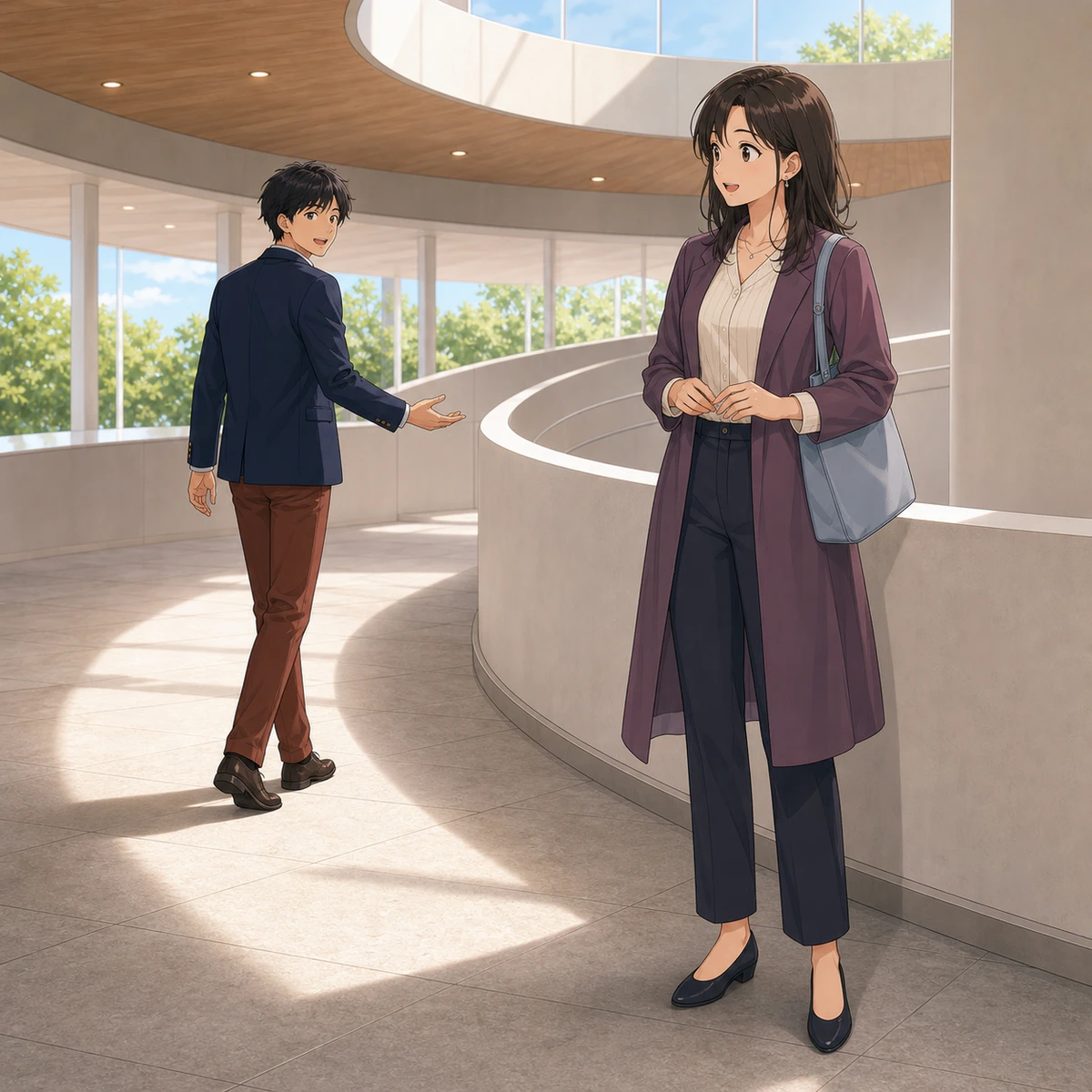
産業史館の鋸歯状列柱ホールで、NoaとShinが今回の仕組みを確かめています。まずは音声に集中して挑戦します。英文・日本語訳・解説は、答え合わせ後に確認できます。

Eiken Style
英文を聞いて質問に答える
英文と質問を聞き、最も適切な答えを1〜4から選びましょう。
英文と質問は最初は表示しません。選択肢の英文を確認し、音声を聞いて答えます。日本語訳は答え合わせ後に表示されます。
英文を見る答え合わせ前は開かなくてもOK
Tatara is a traditional Japanese method that makes iron in a clay furnace mainly from iron sand and charcoal.
たたらは主に砂鉄と木炭から粘土炉で鉄を作る日本の伝統的な方法です。
Workers repeatedly add both materials and control the airflow, allowing carbon to remove oxygen from the iron material during a long operation.
職人は両材料を繰り返し加え、送風を調整し、長い操業の間に炭素が鉄原料から酸素を取り除くようにします。
When the furnace is opened, the large metal bloom contains parts with different carbon levels, so specialists select them for different uses.
炉を開くと鉧という大きな金属塊が現れ、炭素量の違う部分を専門家が用途別に選びます。
What are added repeatedly to the furnace?
炉へ繰り返し加えるものは何ですか。
Iron sand and charcoal.
砂鉄と木炭。
Finished swords and water.
完成した刀と水。
Clay tiles and rice.
粘土瓦と米。
Copper wire and glass.
銅線とガラス。
After Story
砂鉄と木炭を重ねて生まれる、たたらの鉧のその後
本編の「砂鉄と木炭を重ねて生まれる、たたらの鉧」から少し先へ進んだ会話です。先に音で流れをつかみ、3問の内容確認後に英文と日本語訳を確かめます。
最初に何を何度も加えますか。
鉧はどのように扱いますか。
何と何を区別しますか。
After Storyを読む答え合わせ後に、英文と日本語訳を1文ずつ確認できます。
My picture of tatara was a blacksmith shaping one finished blade.
たたらは鍛冶屋が一本の刀を形作る作業だと思ってた。
That does not mean a sword comes directly from the furnace.
炉から直接刀が出るという意味ではないよ。
First, iron sand and charcoal are added again and again.
まず砂鉄と木炭を何度も加える。
The flow of air is controlled so the chemical reduction can continue.
還元が続くよう空気の流れを調整する。
Then the clay furnace is broken to reveal the metal bloom.
それから粘土炉を壊して鉧を出す。
Specialists separate useful parts instead of treating the mass as uniform.
塊を均一と見なさず、専門家が使える部分を分ける。
Different carbon levels give the parts different properties.
炭素量の違いで部分の性質が変わるんだね。
Make sure we distinguish the making of iron from the later forging stage.
鉄を作る工程と後の鍛造工程を区別しよう。
Even if both support the making of swords, they are not the same work.
どちらも刀作りを支えても、同じ作業ではない。
Exactly. Tatara begins with materials, heat, air, and patient control.
その通り。たたらは材料、熱、空気、根気強い調整から始まる。
Chunks
重要チャンク
be made from ...
〜から作られる
be made from ... は再利用できる短い型です。本文例: Tatara is a traditional Japanese method that makes iron in a clay furnace mainly from iron sand and charcoal.(たたらは主に砂鉄と木炭から粘土炉で鉄を作る日本の伝統的な方法です。)独立例: The board is made from recycled paper.(板は再生紙から作られています。)
again and again
何度も
again and again は再利用できる短い型です。本文例: First, iron sand and charcoal are added again and again.(まず砂鉄と木炭を何度も加える。)独立例: She checked the result again and again.(彼女は結果を何度も確認しました。)
instead of -ing
〜する代わりに
instead of -ing は再利用できる短い型です。本文例: Specialists separate useful parts instead of treating the mass as uniform.(塊を均一と見なさず、専門家が使える部分を分ける。)独立例: Sort the parts instead of mixing them.(部品を混ぜずに分けてください。)
distinguish ... from ...
〜を…と区別する
distinguish ... from ... は再利用できる短い型です。本文例: Make sure we distinguish the making of iron from the later forging stage.(鉄を作る工程と後の鍛造工程を区別しよう。)独立例: Distinguish fact from opinion.(事実を意見と区別してください。)
even if ...
たとえ〜でも
even if ... は再利用できる短い型です。本文例: Even if both support the making of swords, they are not the same work.(どちらも刀作りを支えても、同じ作業ではない。)独立例: Keep both records even if they seem similar.(似て見えても両方の記録を保管してください。)
More Stories
次に聞くストーリー
同じ級・場面・テーマに近い話から選んでいます。