東西で違う、電気のリズム
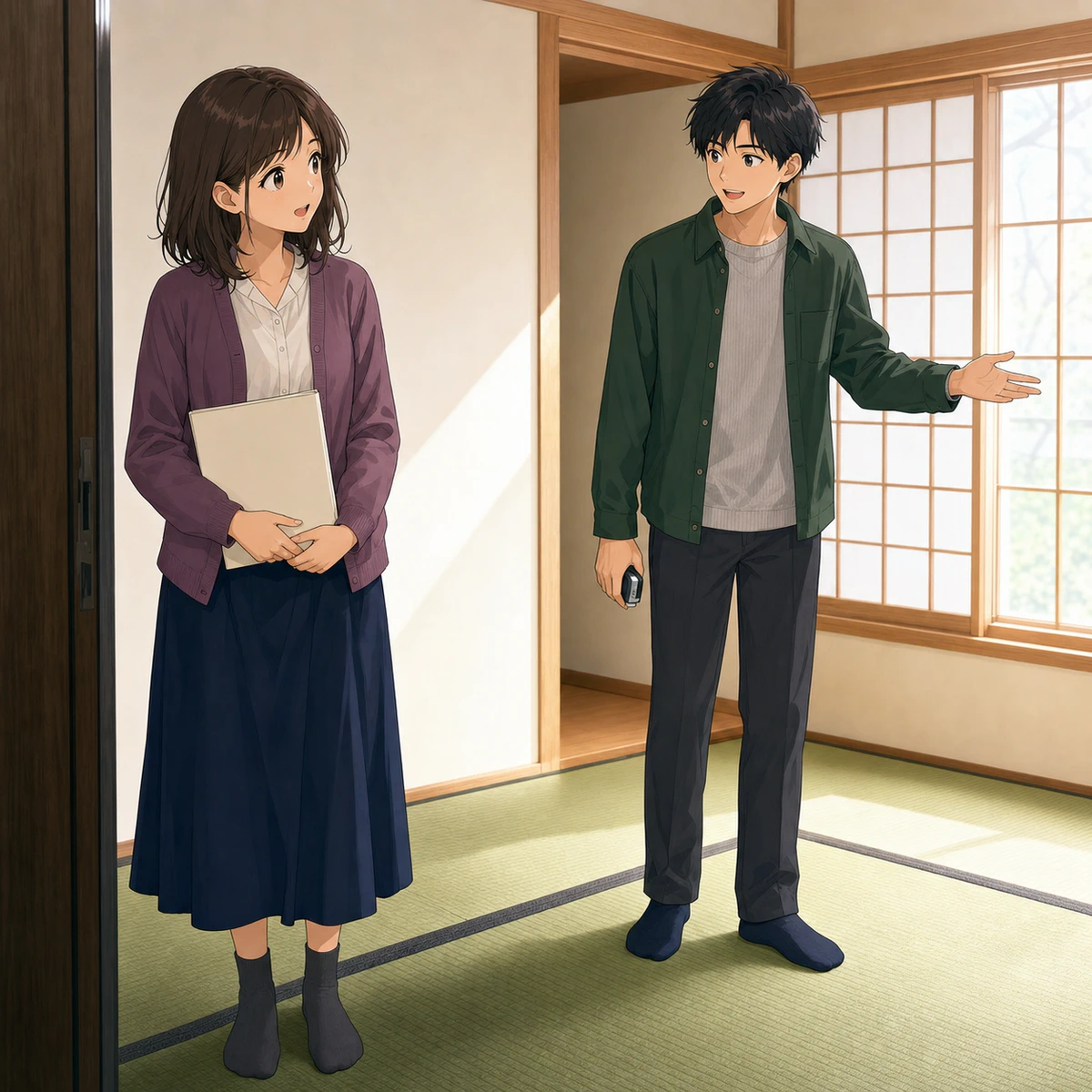
17歳のYuiとKotaが、電気の科学館を見学した帰りの電車で話しています。まずは音声に集中して挑戦します。英文・日本語訳・解説は、答え合わせ後に確認できます。

Eiken Style
対話を聞いて質問に答える
対話と質問を聞き、最も適切な答えを1〜4から選びましょう。
対話と質問は最初は表示しません。選択肢の英文を確認し、音声を聞いて答えます。日本語訳は答え合わせ後に表示されます。
英文を見る答え合わせ前は開かなくてもOK
I heard eastern and western Japan still use different power frequencies. How did that happen?
東日本と西日本では、今も違う電力周波数を使っていると聞いたよ。どうしてそうなったの?
The two regions first imported generators built to different standards from Germany and the United States.
二つの地域が最初に、ドイツと米国から異なる規格の発電機を輸入したんだ。
So the split comes from choices made when Japan's electric power system was beginning.
つまり、その分かれ方は日本の電力網が始まったころの選択から来ているんだね。
Exactly. Converter stations connect the systems today, although the amount of electricity they can exchange is still limited.
そのとおり。今は周波数変換所が二つの系統を結んでいるけれど、やり取りできる電気の量には今も限りがあるんだ。
Why does Japan use two power frequencies?
日本では、なぜ二つの電力周波数が使われているのですか。
Because regional climates require different electrical systems.
地域ごとの気候が異なる電力系統を必要とするから。
Because Germany and America used different generator standards.
ドイツと米国で発電機の規格が異なっていたから。
Because modern appliances require two power frequencies.
現代の家電が二つの電力周波数を必要とするから。
Because power companies change frequencies each season.
電力会社が季節ごとに周波数を変えるから。
After Story
東西で違う、電気のリズムのその後
本編の「東西で違う、電気のリズム」から少し先へ進んだ会話です。先に音で流れをつかみ、3問の内容確認後に英文と日本語訳を確かめます。
Kotaによると、主に50ヘルツを使うのはどちらですか。
Kotaは、家電を別の地域へ運ぶときに何を確認するとよいと言っていますか。
Kotaによると、周波数変換所にはどのような限りがありますか。
After Storyを読む答え合わせ後に、英文と日本語訳を1文ずつ確認できます。
So a line on the map can also be an electrical border.
地図の上の線が、電気の境目にもなるんだね。
Not a sharp line everywhere, but that picture is useful.
どこでもくっきり一本の線というわけではないけど、そのイメージは役に立つよ。
Which side mainly uses 50 hertz?
主に50ヘルツを使うのは、どちら側?
Eastern Japan mainly uses 50, while western Japan mainly uses 60.
東日本は主に50、西日本は主に60ヘルツを使っているよ。
Do I need to worry every time I carry an appliance across Japan?
家電を日本の別の地域へ運ぶたびに、心配したほうがいいの?
Many modern products work with both, but checking the label is still wise.
今の製品の多くは両方に対応するけど、表示を確認するのは今も大切だよ。
And converter stations let the two systems share power.
それに、周波数変換所が二つの系統で電気を融通できるようにするんだね。
Yes, but they cannot move unlimited amounts at once.
うん。でも、一度に無制限の量を送れるわけではないよ。
Our class trip just became an electrical inspection tour.
私たちの校外学習が、急に電気の点検旅行になったね。
Please inspect the scenery too.
景色の点検も忘れないでね。
Chunks
重要チャンク
How did that happen?
どうしてそうなったのですか
直前に聞いた出来事の原因や経緯を尋ねる短いパターンです。本文例:How did that happen?(どうしてそうなったの?)/独立例:The lights went out. How did that happen?(明かりが消えました。どうしてそうなったのですか。)
be built to ...
〜に合わせて作られている
be built to + 規格・目的で、何かがその基準や目的に合わせて作られていることを表します。本文例:generators built to different standards(異なる規格に合わせて作られた発電機)/独立例:The bridge was built to modern safety standards.(その橋は現代の安全基準に合わせて建設されました。)
come from ...
〜から生じる、〜に由来する
come from + 名詞で、原因や由来を表します。本文例:the split comes from choices made earlier(その分かれ方は以前の選択に由来する)/独立例:This custom comes from an old farming practice.(この習慣は昔の農作業に由来します。)
connect A and B
AとBを結ぶ
connect A and Bで、二つの場所・物・仕組みをつなぐことを表します。本文例:Converter stations connect the systems.(周波数変換所が二つの系統を結びます。)/独立例:This path connects the park and the station.(この道は公園と駅を結んでいます。)
work with both
両方に対応する
work with bothで、二つの方式・条件のどちらでも使えることを表します。本文例:Many modern products work with both.(現代の製品の多くは両方に対応します。)/独立例:This printer works with both computers.(このプリンターは両方のコンピューターに対応します。)
More Stories
次に聞くストーリー
同じ級・場面・テーマに近い話から選んでいます。