船の左右に、名前がある理由
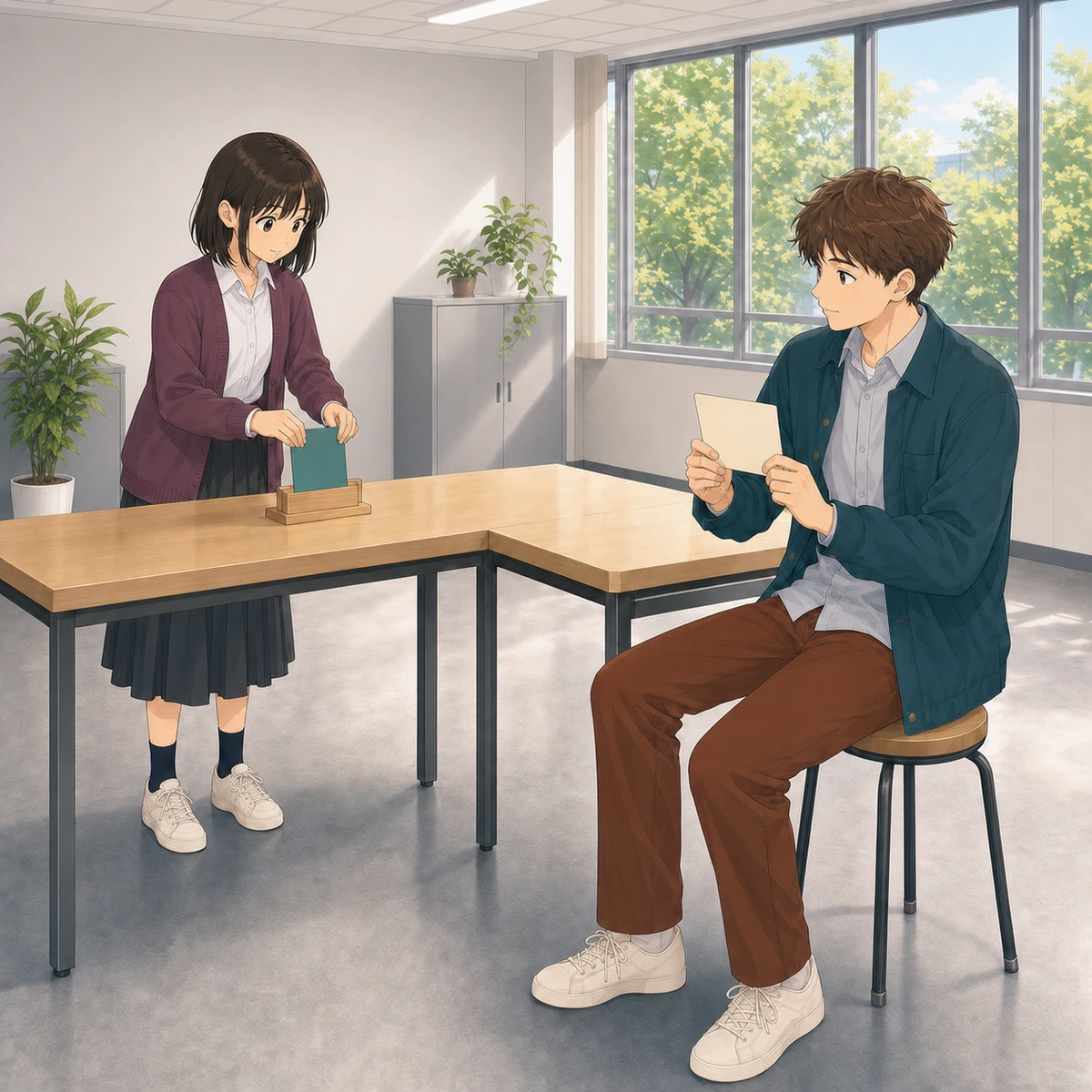
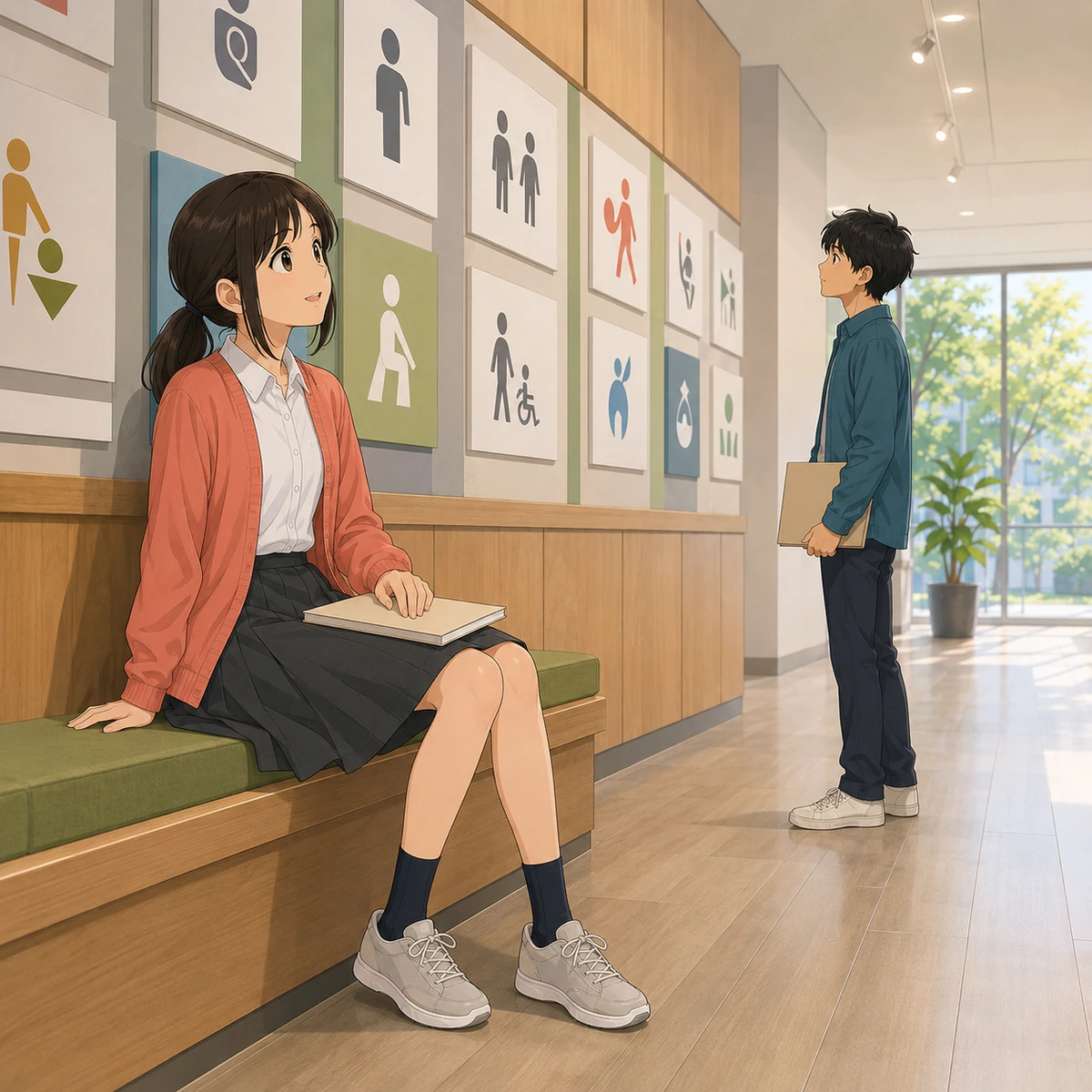
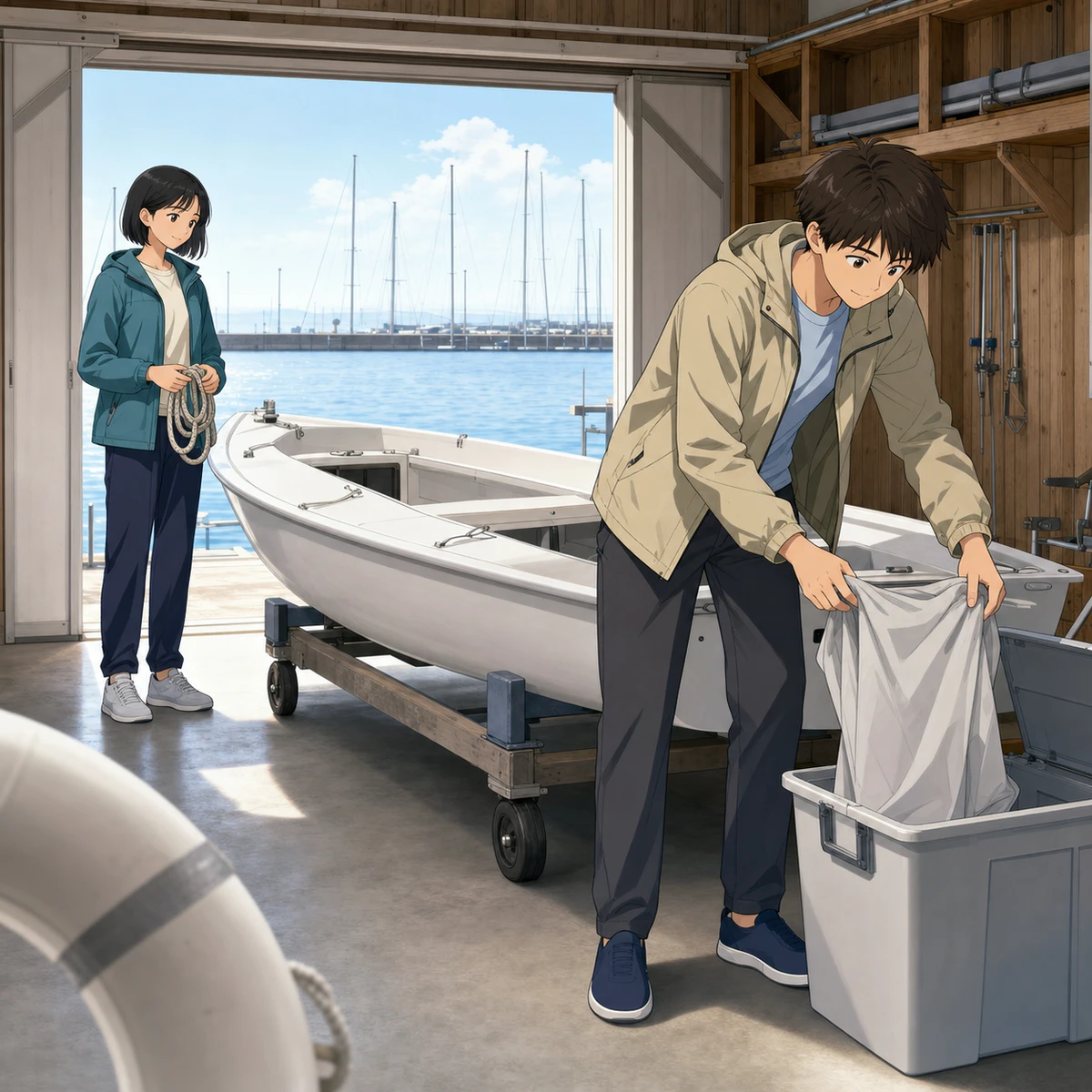
16歳のRinaとSotaが、港の青少年セーリングセンターで小型練習艇の片づけをしています。まずは音声に集中して挑戦します。英文・日本語訳・解説は、答え合わせ後に確認できます。
Eiken Style
英文を見ないで聞く
対話とQuestionを聞き、最も適切な答えを1〜4から選びましょう。
対話と質問は最初は表示しません。選択肢の英文を確認し、音声を聞いて答えます。日本語訳は答え合わせ後に表示されます。
英文を見る答え合わせ前は開かなくてもOK
Sota, why does this safety card use port and starboard instead of left and right?
Sota、この安全カードは、なぜleftとrightではなくportとstarboardを使っているの?
Because left and right can change when a person turns around.
人が向きを変えると、leftとrightは変わり得るからだよ。
But port and starboard always mean the same sides of the boat.
でもportとstarboardは、いつも船の同じ側を意味するんだね。
Exactly. Sailors use them to avoid confusion, no matter which way they are facing.
そのとおり。船員はどちらを向いていても、混乱を避けるためにその言葉を使うんだ。
Why do sailors use port and starboard?
船員がportとstarboardという言葉を使うのはなぜですか。
They identify fixed sides even when people turn around.
人が向きを変えても、船の固定された側を示せるから。
They show which side is closer to land.
どちら側が陸に近いかを示すから。
They tell sailors how fast the boat is moving.
船がどのくらい速く進んでいるかを船員へ伝えるから。
They replace the names for the bow and stern.
船首と船尾の名前を置き換えるから。
After Story
船の左右に、名前がある理由のその後
本編の「船の左右に、名前がある理由」から少し先へ進んだ会話です。先に音で流れをつかみ、3問の内容確認後に英文と日本語訳を確かめます。
Rinaは最初、どこに立つと言いましたか。
Rinaが船首側へ移動したとき、何が変わりましたか。
二人は何をしながらportとstarboardを使う予定ですか。
After Storyを読む答え合わせ後に、英文と日本語訳を1文ずつ確認できます。
Let me test that. I'll stand at the stern and face the bow.
それを試してみるね。船尾に立って、船首のほうを向くよ。
Now point to starboard without turning your body.
では、体の向きを変えずにstarboard側を指してみて。
That's the boat's right side from here.
ここからだと、そちらが船の右側だね。
Good. Walk around and face me from the bow now.
いいね。今度は回って、船首側から僕のほうを向いて。
My own right side changed, but the boat's starboard side stayed where it was.
私自身の右側は変わったけれど、船のstarboard側は同じ場所のままだね。
That's why a short order stays clear, even when crew members face different directions.
だから、乗組員が別々の方向を向いていても、短い指示が明確なままなんだ。
The name starboard came from the side where early boats were steered with an oar.
starboardという名前は、昔の船がオールで操縦された側から来たんだね。
And the opposite side later became known as port.
そして反対側は、のちにportとして知られるようになったんだ。
Two fixed names mean one less chance to send a rope the wrong way.
二つの固定された名前があれば、ロープを間違った側へ送る可能性を一つ減らせるね。
Perfect. Let's use them while we put the safety lines away.
ばっちり。安全ロープを片づけながら、その言葉を使ってみよう。
Chunks
重要チャンク
instead of ...
〜の代わりに、〜ではなく
一つの選択肢を別のものと置き換えるときの短いパターンです。本文例: This safety card uses port and starboard instead of left and right.(この安全カードはleftとrightではなくportとstarboardを使っています。)独立例: We took the stairs instead of the elevator.(私たちはエレベーターではなく階段を使いました。)
no matter which way ...
どちらの向きであっても
向きや方法が変わっても結果が同じだと表す再利用可能なパターンです。本文例: No matter which way they are facing, the names stay clear.(どちらを向いていても、その名前は明確なままです。)独立例: No matter which way you turn, the sign is easy to see.(どちらを向いても、その看板は見つけやすいです。)
point to ... without -ing
〜せずに…を指す
ある動作をしないまま対象を指すときの短いパターンです。本文例: Point to starboard without turning your body.(体の向きを変えずにstarboard側を指して。)独立例: Point to the exit without saying its name.(名前を言わずに出口を指してください。)
stay where it was
元の場所のままである
周囲や見る人が動いても、物や場所が変わらないことを表します。本文例: The boat's starboard side stayed where it was.(船のstarboard側は元の場所のままでした。)独立例: The chair stayed where it was after the meeting.(会議のあとも、その椅子は元の場所のままでした。)
one less chance to ...
〜する可能性を一つ減らす
失敗や問題が起きる可能性を減らす利点を簡潔に表すパターンです。本文例: Two fixed names mean one less chance to send a rope the wrong way.(二つの固定された名前があれば、ロープを間違った側へ送る可能性を一つ減らせます。)独立例: A checklist means one less chance to forget a step.(チェックリストがあれば、手順を忘れる可能性を一つ減らせます。)
More Stories
次に聞くストーリー
同じ級・場面・テーマに近い話から選んでいます。