読み返すより、思い出す練習?
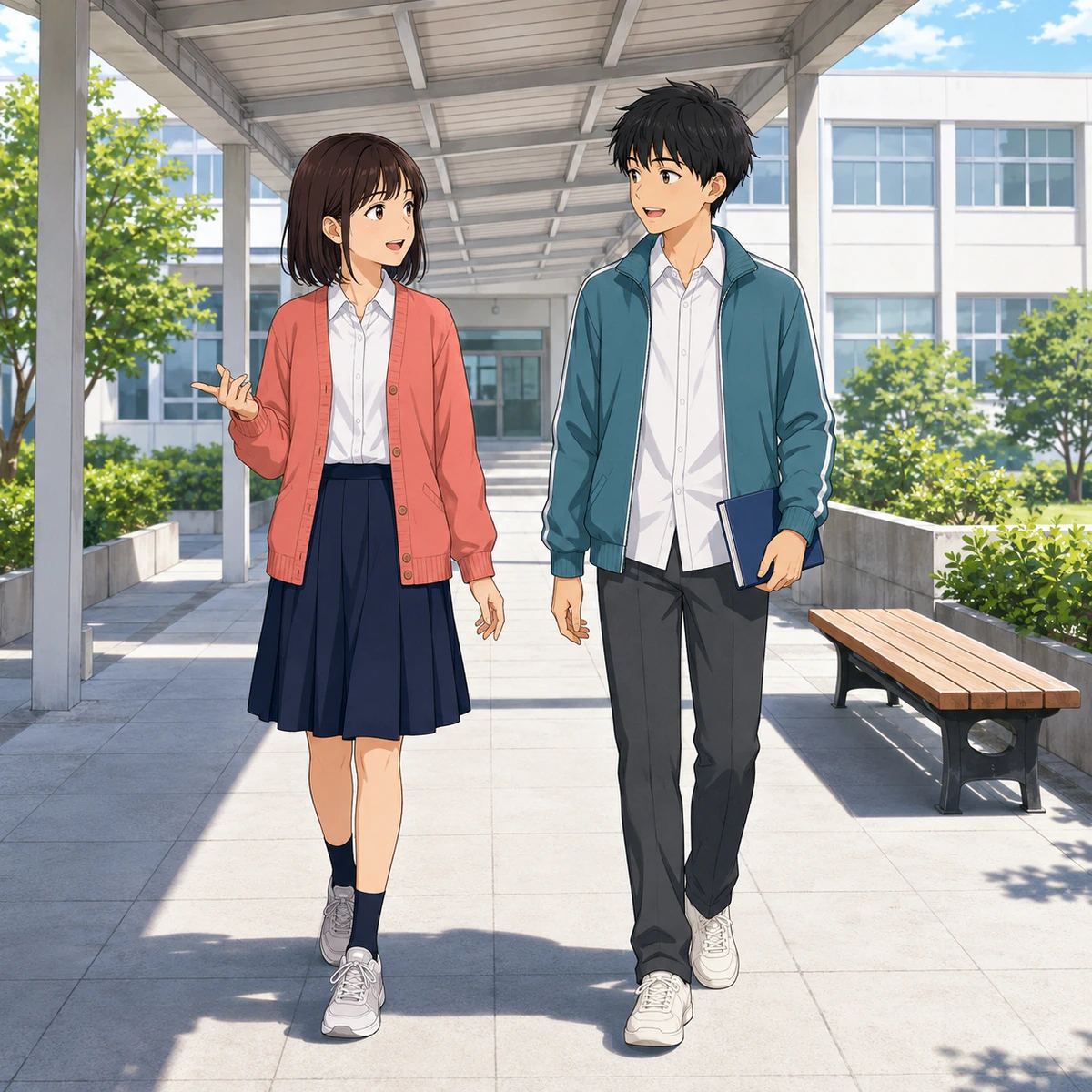
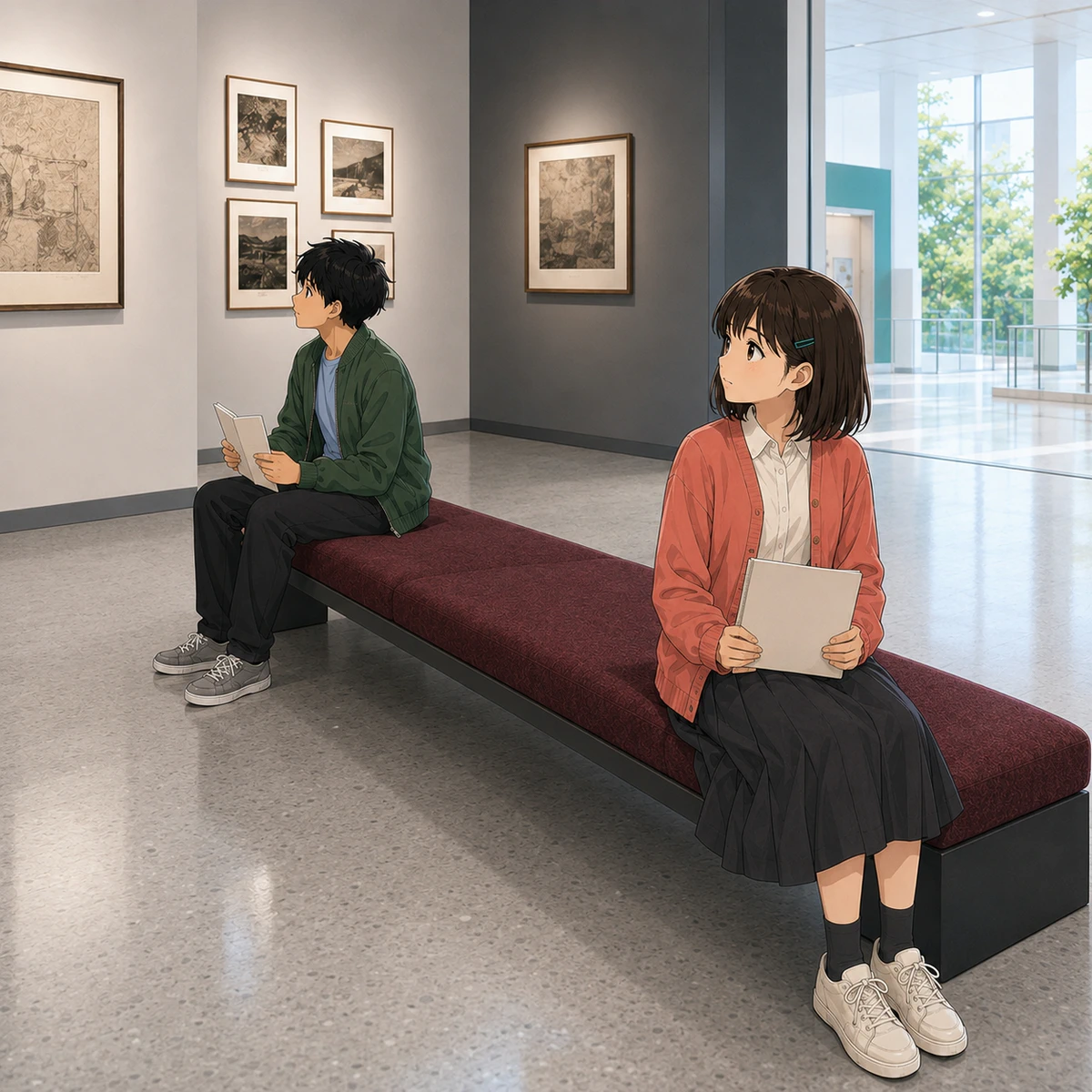
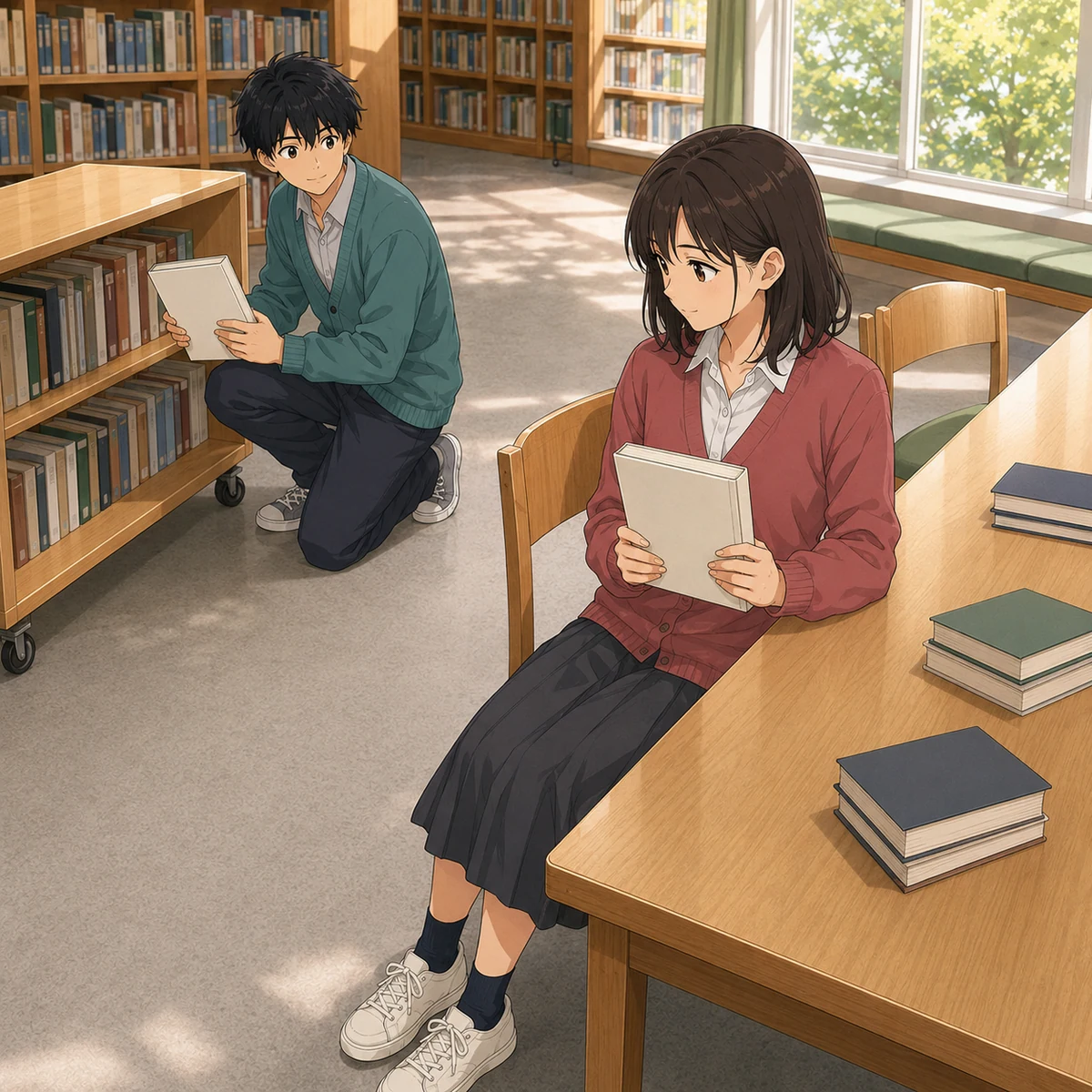
高校の図書室で、RinaとKaitoが金曜日の小テストに向けた勉強方法について話しています。まずは音声に集中して挑戦します。英文・日本語訳・解説は、答え合わせ後に確認できます。
Eiken Style
英文を見ないで聞く
対話とQuestionを聞き、最も適切な答えを1〜4から選びましょう。
対話と質問は最初は表示しません。選択肢の英文を確認し、音声を聞いて答えます。日本語訳は答え合わせ後に表示されます。
英文を見る答え合わせ前は開かなくてもOK
Rina, you finished that chapter. Are you ready for Friday's quiz?
Rina、その章は読み終えたね。金曜の小テストの準備はできた?
Not really. I read it twice, but I still forget the main ideas.
あんまり。2回読んだけど、まだ大事な点を忘れちゃうんだ。
Try closing the book and writing down what you can remember. Then check the parts you missed.
本を閉じて、思い出せることを書いてみたら。そのあと、抜けていた部分を確認するんだ。
That sounds harder than reading it again, but I'll try it after lunch.
読み直すより難しそうだけど、昼ごはんのあとにやってみるよ。
What will Rina probably do after lunch?
Rinaは昼食後、おそらく何をしますか。
She will read the chapter a third time without stopping.
その章を止まらずに3回目まで読み直す。
She will ask Kaito to write a summary for her.
Kaitoに自分のための要約を書いてもらう。
She will close the book and write what she can recall.
本を閉じて、思い出せることを書く。
She will copy the main ideas while looking at the chapter.
その章を見ながら、大事な点をそのまま書き写す。
After Story
読み返すより、思い出す練習?のその後
本編の「読み返すより、思い出す練習?」から少し先へ進んだ会話です。先に音で流れをつかみ、3問の内容確認後に英文と日本語訳を確かめます。
会話でいうretrieval practiceとは、どのような練習ですか。
Rinaが2つの原因を書き忘れたあと、Kaitoは何を勧めていますか。
Rinaは、次にどのような勉強をする予定ですか。
After Storyを読む答え合わせ後に、英文と日本語訳を1文ずつ確認できます。
I tried it. That empty page felt harder than I expected.
やってみたよ。何も書いていないページって、思ったより難しく感じた。
That effort is the point. Pulling an idea from memory is called retrieval practice.
その頑張って思い出すことが大事なんだ。記憶から考えを引き出すのをretrieval practiceっていうよ。
So the goal isn't just to see the answer again?
じゃあ、答えをもう一度見るだけが目的じゃないの?
Right. In many studies, practicing recall improved later learning more than only restudying.
そう。多くの研究では、思い出す練習は、読み直すだけよりもあとの学習成果を高めたんだ。
But I left out two causes from the chapter.
でも、その章に出てきた原因を2つ書き忘れたよ。
Then check your notes, correct the gaps, and try recalling them again later.
それならノートで確認して、抜けを直して、あとでもう一度思い出してみればいいよ。
So a mistake can show me what still needs work.
じゃあ、間違いから、まだ何を勉強する必要があるか分かるんだね。
Exactly. It also helps to space the attempts over time instead of doing them all at once.
そのとおり。それに、全部を一度にやるより、時間を空けて何度か試すほうが役立つよ。
I'll make three short questions tonight and answer them again tomorrow.
今夜、短い問題を3つ作って、明日もう一度答えてみる。
Good plan. The quiz before the quiz may be the useful one.
いいね。本番の小テストの前にやる小さなテストが、役に立つかもね。
Chunks
重要チャンク
be ready for ...
〜の準備ができている
be ready for + 名詞で「〜の準備ができている」と表します。例: Are you ready for the presentation?(発表の準備はできた?)
write down what ...
〜することを書き留める
write downは「書き留める」、what以下は書く内容を表します。例: Write down what you noticed.(気づいたことを書き留めてください。)
the parts you missed
見落とした・抜けていた部分
名詞の後ろに主語+動詞を置いて説明する形です。例: Let's review the words you missed.(間違えた単語を復習しよう。)
be harder than ...
〜より難しい
比較級 harder thanで「〜より難しい」と比べます。例: Explaining it was harder than reading it.(説明するほうが読むより難しかった。)
show + 人 + what ...
人に何が〜かを示す
show + 人 + what節で「人に何が〜かを示す」と表します。例: The result showed me what I should practice.(結果から何を練習すべきか分かりました。)
space ... over time
〜を時間を空けて行う
spaceを動詞で使うと、活動の間隔を空ける意味になります。例: We spaced the meetings over two weeks.(会議を2週間に分けて行いました。)
More Stories
次に聞くストーリー
同じ級・場面・テーマに近い話から選んでいます。